Nature Dreams
Client: Refik Anadol
Role: Producer, Curator, Writer, Concept Development
Year: 2019
Modality: AI-generated audiovisual installation (premiered at IEEE VISAP 2019)
Overview
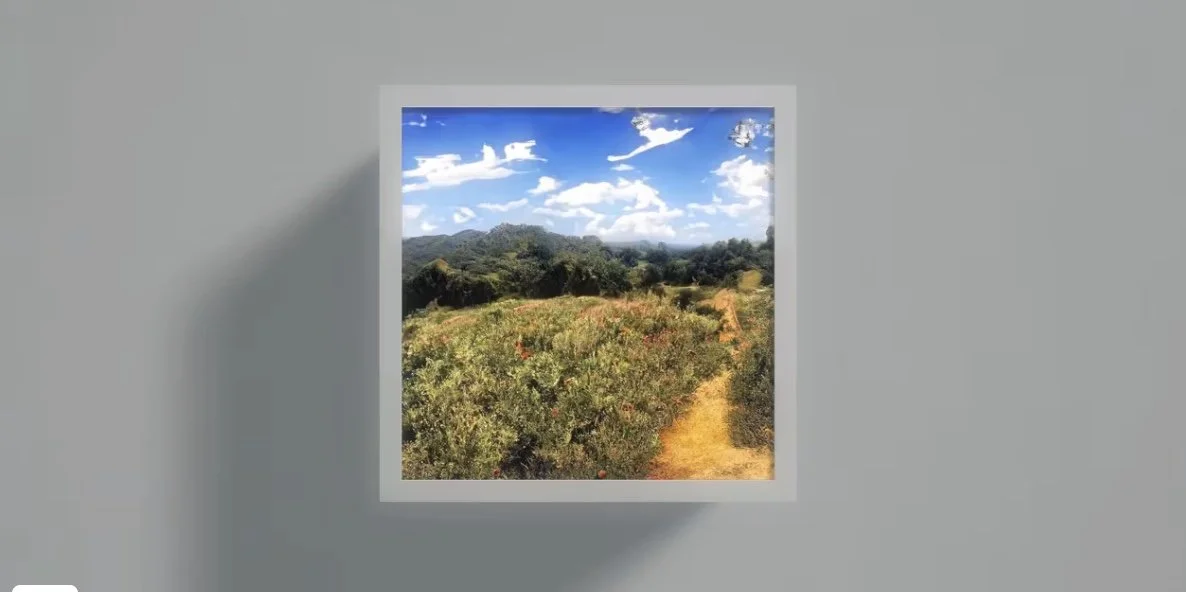
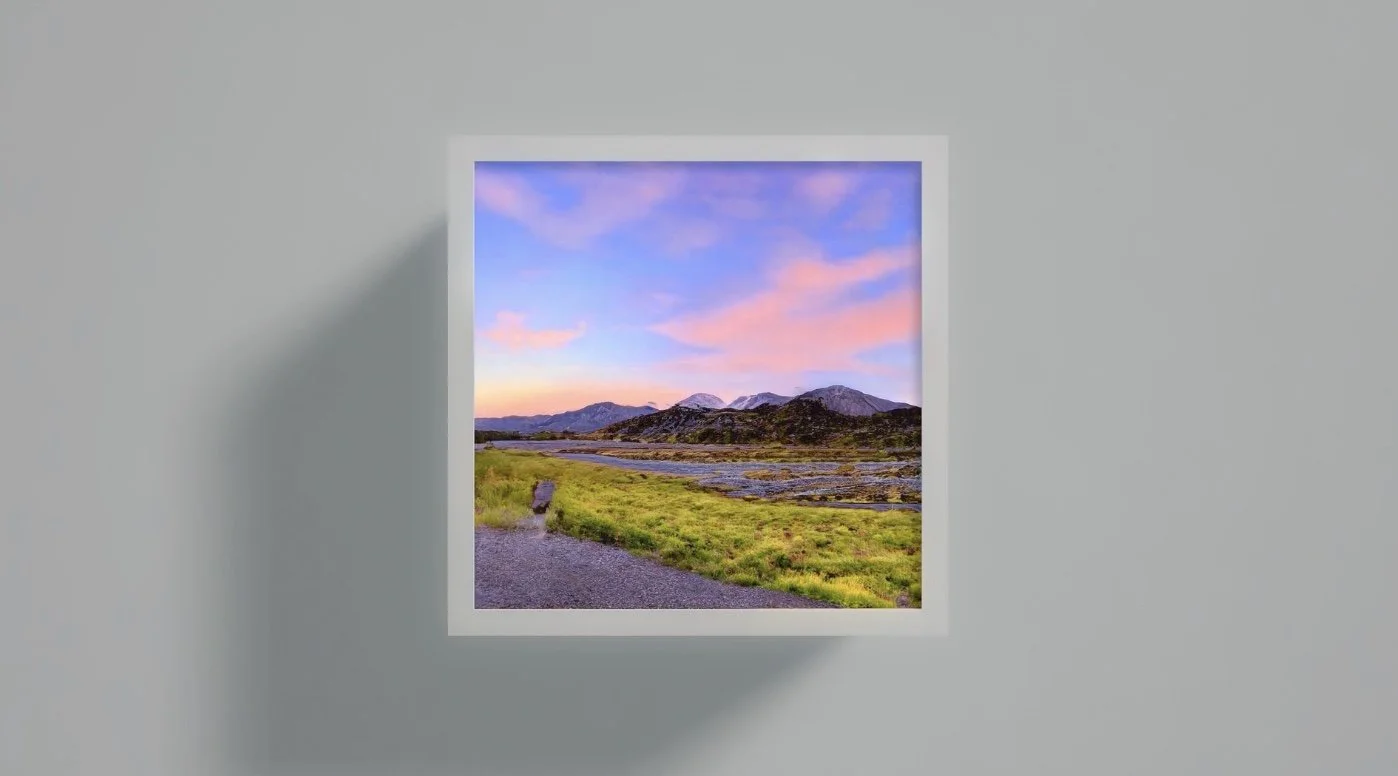
Machine Hallucinations: Earth is a synthetic reality experiment using machine learning to deconstruct satellite imagery of planet Earth, creating AI-generated visualizations that explore the boundaries between archival instinct, visual narrative, and collective consciousness. The installation trained algorithms on vast datasets of Earth imagery captured from space, allowing the machine to generate its own "memories" and "hallucinations" of the planet, revealing unexpected connections between varied landscapes and questioning how we represent totality, reality, and planetary interconnectedness.
Challenge
How do we represent the entirety of Earth's experience when traditional media can only capture fragments? From Stéphane Mallarmé's assertion that "everything exists to end in a book" to Susan Sontag's revision that "everything exists to end in a photograph," humans have grappled with how to contain and represent reality. The challenge was developing a conceptual framework that engaged with these timeless questions while exploring what happens when we allow machine intelligence to construct its own understanding of Earth—creating what Jonathan Zittrain called "collective hallucination" through computational imagination rather than human perception alone.
Approach
As creative researcher at Refik Anadol Studio, I led concept development, curation, and narrative framework for this synthetic reality experiment. I developed the philosophical foundation positioning the work as exploration of machine memory and planetary consciousness, asking what Earth looks like when processed through artificial intelligence rather than human eyes.
I wrote exhibition materials and presented the work at IEEE VISAP 2019, articulating how the project illuminated both cultural implications of bounded space and the visual interconnectedness of Earth's varied landscapes. The narrative needed to bridge technical machine learning processes with humanistic questions about representation, totality, and collective consciousness, positioning the installation as continuation of photography's archival tradition while proposing machine-generated imagery as new form of collective hallucination.
Curatorial Text
The question of why we collect, record, and share our quotidian experiences has always been entangled with formal and aesthetic concerns about how to represent reality, totality, and the depth of human imagination. Nineteenth century poet and critic Stephane Mallard famously said that everything in the world existed to end up in a book. Revisiting Mallarme’s proposition in her 1977 collection of essays, On Photography, Susan Sontag wrote, “Today everything exists to end in a photograph.” More recently, Jonathan Zittrain, the co-founder of Harvard’s Berkman Center for Internet and Society, suggested that “internet architecture” lacked a definable center and instead relied on “the extraordinary collective hallucination.”
Machine Hallucinations: Earth is a synthetic reality experiment that deeply engages with such timeless questions and attempts to reveal new connections between visual narrative, archival instinct and collective consciousness. Using machine learning to deconstruct and investigate memories of a machine’s capture of planet Earth from space this project aims to illuminate the representation of boundaried space both in terms of cultural implications as well as providing a visualization of the interconnectedness of the planet’s varied landscapes.